
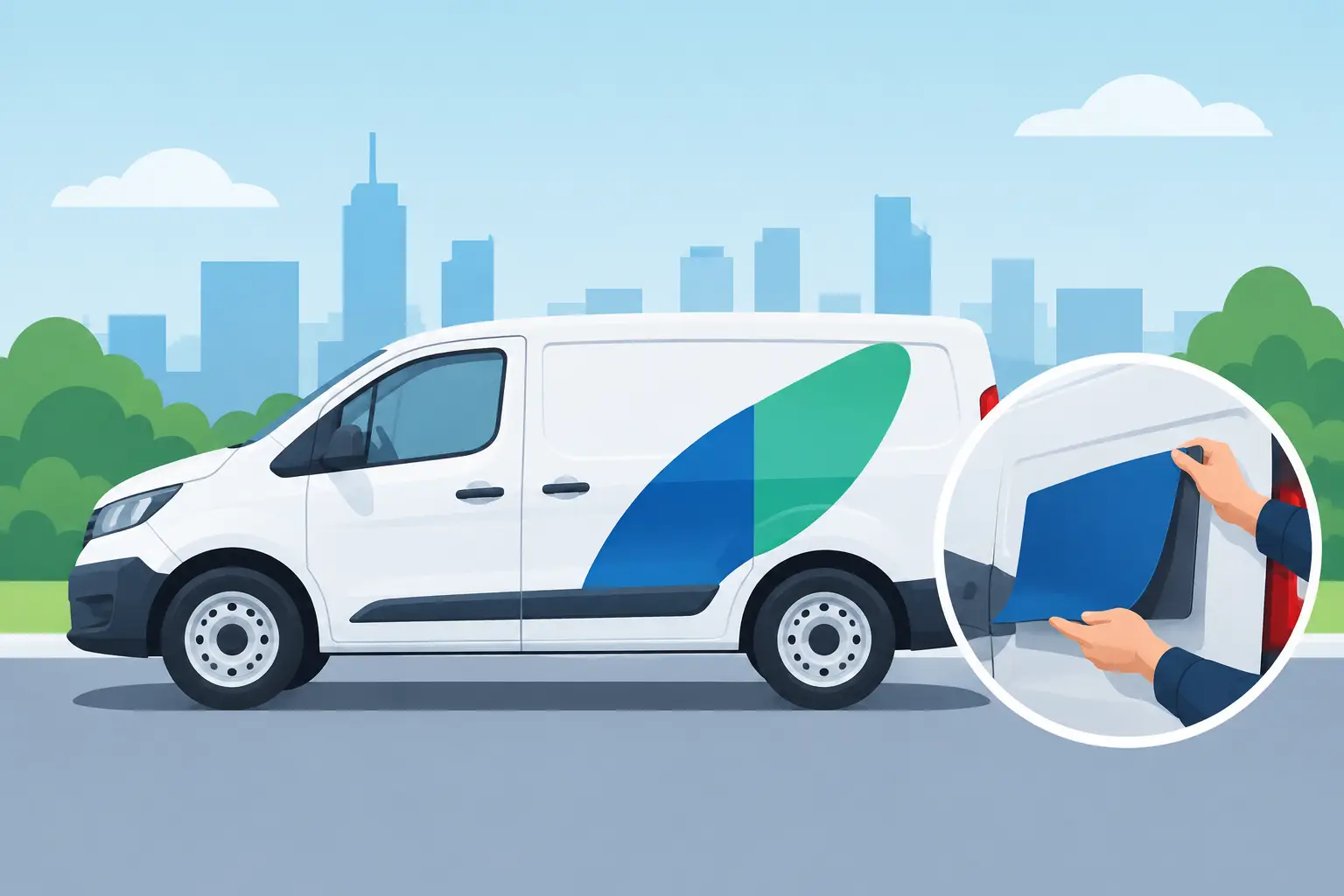
A clean truck door can be a missed opportunity. Vehicle magnets put your company name, phone number, services, and logo where local customers can see them – at job sites, supply houses, neighborhoods, parking lots, and on the road. They give contractors, service businesses, delivery operators, and part-time professionals a practical way to turn a personal or shared vehicle into a professional-looking mobile sign.
The appeal is simple: apply them when you are working, remove them when you are not. But getting useful results takes more than placing a logo on a rectangle. Magnet size, vehicle surface, message, placement, and care all affect how your sign looks and how well it holds up.
Why Vehicle Magnets Make Sense for Working Vehicles
Permanent truck lettering is a strong choice for dedicated commercial vehicles. It is always visible, built for long-term use, and creates a consistent fleet appearance. A magnetic sign serves a different purpose. It gives you flexibility when the same vehicle does double duty for work, family errands, weekend towing, or recreation.
That makes magnetic signs especially useful for independent contractors, real estate professionals, mobile pet groomers, home service businesses, event vendors, and employees using their own vehicles. If your business is seasonal or you run occasional promotions, magnets let you update your message without committing to a permanent graphic package.
They also help new businesses look established from day one. A clear company name, service line, and phone number can answer the questions people ask when they see a vehicle at a neighbor’s house: Who is that? What do they do? How do I reach them?
There is a trade-off. Magnets are removable, so they are not the best answer for every vehicle or every operating condition. A full-time fleet traveling at highway speeds every day may be better served by professionally applied vinyl lettering. The right choice depends on how the vehicle is used and whether flexibility or permanent visibility matters more.
What to Include on a Vehicle Magnet
The most effective magnetic signs do not try to say everything. They are designed to be read quickly from a few lanes away or while someone walks past a parked vehicle. Your business name should lead, followed by the service you provide and one easy way to contact you.
For many local businesses, that means a logo, company name, short service description, phone number, and website or service area. “Johnson Roofing” is clearer than a logo alone. “Roof Repair and Replacement” gives the viewer immediate context. A large phone number makes the sign useful when a potential customer is ready to call.
Avoid treating the magnet like a business card. Long lists of services, small social media icons, dense paragraphs, and tiny legal text disappear at normal viewing distance. A sign with fewer elements and stronger contrast usually gets remembered better.
Build for distance, not desktop viewing
A design can look sharp on a computer screen and still fail on a moving vehicle. Use bold, readable fonts and give each line room to breathe. Fine script lettering may fit a boutique brand, but it needs enough size and contrast to stay legible on a door panel.
Color matters just as much. Dark lettering on a light magnet, or light lettering on a dark magnet, creates the separation needed for fast reading. If your vehicle is dark, a white or light-colored magnet can stand out. On a white truck or van, a dark background often gives your message more impact.
Choosing the Right Size and Placement
Measure the flat metal area before designing. Vehicle doors have body lines, molding, handles, curves, and trim that can interfere with a magnet. Your sign needs a smooth, uninterrupted steel panel so the entire magnetic surface can make contact.
A common door magnet size gives enough room for a name, service, and phone number without overpowering the vehicle. Larger signs work well on vans, work trucks, trailers, and box trucks, where the available panel is broader and the message needs to be seen at greater distances.
Place matching magnets on both sides of the vehicle. This creates a more professional appearance and gives your business visibility in either direction. Rear-door magnets can also work when the vehicle has a suitable flat metal surface, although the back of a vehicle is often better for permanent lettering because of seams, handles, and nonmetal components.
Do not apply magnets over sharp contours, body moldings, rust spots, decals, or recessed areas. Even a small gap allows wind and moisture to work underneath the sign. A magnet that looks flat while parked may shift or lift at speed if it is not fully supported.
Check your vehicle material first
Not every vehicle panel is magnetic. Aluminum, fiberglass, carbon fiber, plastic, and some composite body panels will not hold a standard vehicle magnet. This is common on certain newer trucks, sports cars, vans, RVs, and specialty vehicles.
Test the exact location with a basic refrigerator magnet before ordering. Test both sides, too. A door may be steel while a tailgate, hatch, fender, or quarter panel is made from a different material. If your vehicle does not have enough magnetic surface, custom vinyl lettering or decals are often the better route.
How to Apply Vehicle Magnets Correctly
A clean installation is fast, but preparation matters. Wash the application area thoroughly and dry it completely. Remove road film, wax residue, dust, and grit from both the vehicle and the back of the magnet. Any contamination between the two surfaces can reduce holding power and may scratch the paint.
Start at one edge and lay the magnet down smoothly across the panel. Do not bend it sharply, snap it into place, or slide it across the paint. Press across the complete sign with your hand, checking that every edge lies flat.
Once applied, inspect the magnet from the side. If you see lifting, ripples, or a corner sitting over a body line, move it to a flatter location. Never cut a magnetic sign to fit around handles or trim after it has been printed. Design around the available panel from the start.
For the first few drives, check the magnets after parking. This is especially worthwhile if the vehicle regularly travels on interstates, rough roads, or in high-wind conditions.
Care That Protects Both Your Magnet and Paint
Magnetic signs are built for outdoor vehicle use, but they need regular attention. Remove and clean them periodically, particularly after rain, snow, dusty job sites, or winter road treatment. Clean the painted panel behind the magnet as well, then let both surfaces dry before reinstalling.
This routine prevents moisture and abrasive dirt from collecting underneath. It also gives you a chance to inspect the sign for damage, edge wear, or loss of flatness. If a magnet has been rolled, stored incorrectly, or develops a curl, lay it flat in a warm, clean area until it relaxes. Do not fold it.
When washing your vehicle, remove the magnets first. Avoid running them through an automatic car wash, and do not use harsh solvents or abrasive pads on the printed face. Store magnets flat when they are off the vehicle, print side up, away from extreme heat and direct sunlight.
Local laws and company requirements can also affect what belongs on your vehicle. Commercial trucks may require USDOT numbers, GVW information, company identification, or other regulated lettering. A magnetic sign can promote your business, but it should not be used as a substitute for required permanent markings when regulations call for them.
When Magnets Are the Right Call
Vehicle magnets work best when you need business visibility with the freedom to remove it. They are ideal for personal vehicles used for work, leased vehicles, temporary crews, seasonal businesses, and operators testing a new brand or service area. They also make it easy to keep several vehicles looking coordinated without committing every vehicle to permanent graphics.
For a truck, van, or car that represents your company every day, consider the next step when the business grows. Permanent vinyl door lettering, a windshield banner, trailer graphics, or a partial wrap can create stronger long-term exposure. Many businesses start with magnets, learn what message gets calls, then build that winning message into a larger vehicle graphics package.
At eDecals.com, the best starting point is a design that works in the real world: large readable lettering, a clear service statement, and contact information customers can spot before the light turns green. Put the right message on a clean, properly fitted magnet, and every trip can help keep your schedule full.