
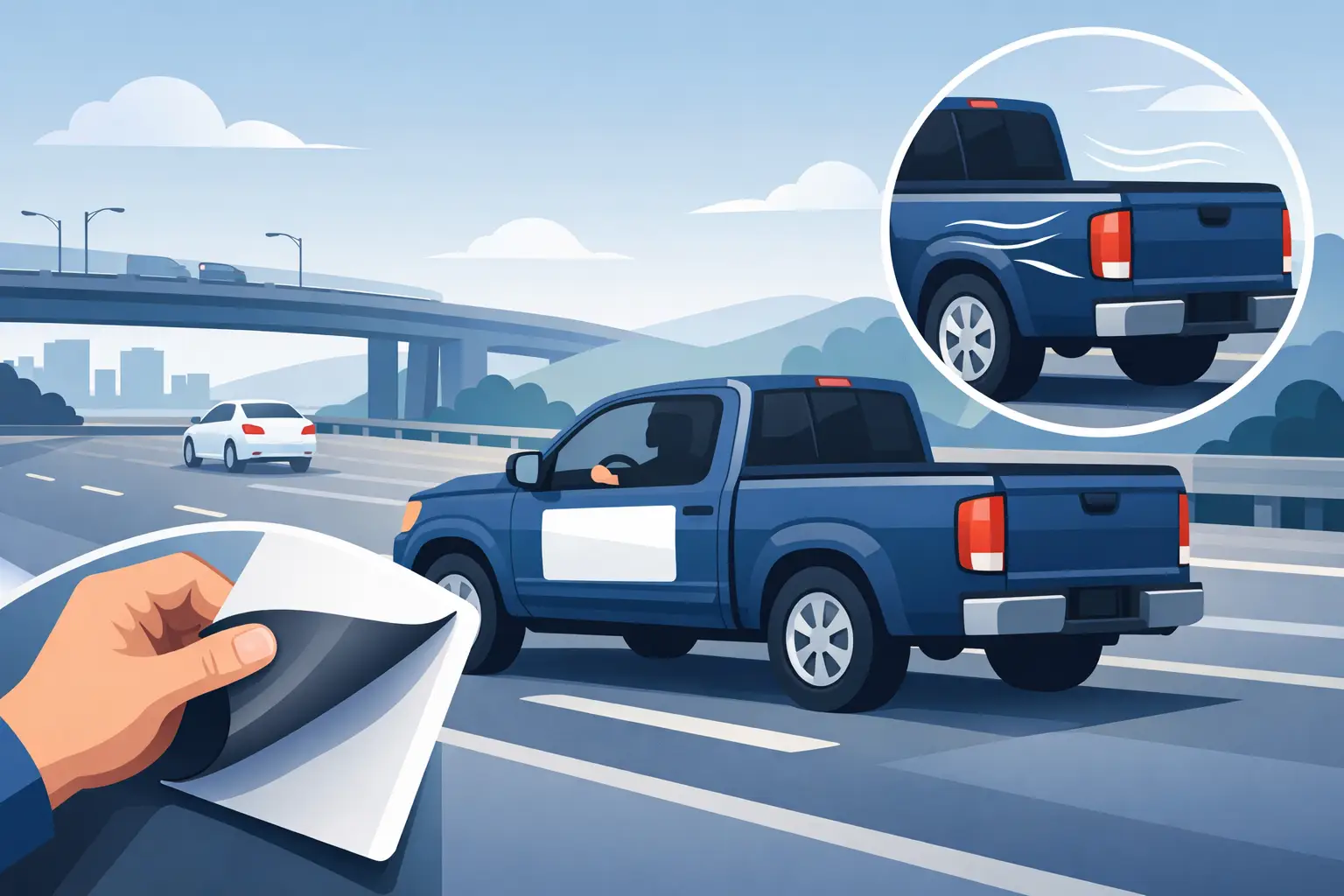
A magnetic vehicle sign can look perfectly secure in the driveway and still become a problem at highway speed. So, are magnetic signs highway safe? They can be, but only when the magnet, vehicle surface, weather conditions, and installation are all working in your favor.
For contractors, small businesses, delivery drivers, and anyone using removable vehicle branding, the goal is simple: keep your message on the truck, car, or van where it belongs. A quality magnetic sign installed on a clean, compatible surface can handle normal highway driving. A dirty panel, a bent corner, or a sign placed on the wrong body material can turn wind pressure into a costly lost sign.
Are Magnetic Signs Highway Safe at Highway Speeds?
Magnetic signs are commonly used on vehicles that travel at highway speeds, but there is no single speed rating that applies to every magnet and every vehicle. Wind load changes with speed, vehicle shape, crosswinds, rain, passing tractor-trailers, and the condition of the sign itself.
The key factor is full magnetic contact. A magnetic sign must lie flat against a smooth steel panel with no lifted edges, trapped debris, wrinkles, or air gaps. At 70 mph, air catches any loose edge aggressively. Once wind gets underneath a corner, the sign can peel away from the vehicle rather than simply slide off.
That is why magnetic signs are best treated as a removable branding solution that needs regular inspection, not as a permanent substitute for vinyl lettering. If your work vehicle runs daily on interstate routes, sees severe weather, or operates at sustained high speeds, permanent cut vinyl or professionally installed graphics may be the better long-term choice.
Start With the Right Vehicle Surface
A magnetic sign needs a ferrous metal surface. In plain terms, it needs steel. Many vehicle panels that look like metal are aluminum, fiberglass, plastic, or composite material, and a magnet will not hold to them.
Before designing or ordering a sign, test the exact location with a small household magnet. Do not assume that every door, tailgate, quarter panel, or hood is steel. This matters especially on newer vehicles, where aluminum body panels are common on some trucks and specialty vehicles.
Even on a steel door, the surface needs to be reasonably flat. Deep body lines, sharp curves, moldings, rivets, and recessed sections reduce contact area. The more of the magnet that sits flush against the panel, the more reliable it will be on the road.
Paint condition also matters. Freshly painted vehicles should be fully cured before adding a magnetic sign. A sign can trap moisture against uncured paint or leave a visible difference in paint exposure if it stays in one spot for months. If the paint is peeling, heavily oxidized, or uneven, choose another location or consider adhesive graphics instead.
Clean Installation Is a Safety Step
Most magnetic-sign failures start with dirt, not speed. Road grit, sand, dust, wax residue, and moisture create tiny gaps between the magnet and the vehicle. Those gaps weaken holding power and can scratch paint when the sign moves against the panel.
Clean both the vehicle surface and the back of the magnetic sign before installation. Use mild soap and water, then dry both surfaces completely. Avoid placing a magnetic sign over a wet door after rain or a car wash. Water can reduce contact and allow grime to work underneath the sign.
When applying the sign, set one edge in place and let the rest of the panel contact the vehicle gradually. Do not slap it on or bend it around a curve. Press across the full face with your hand, paying special attention to the corners and outer edges.
Never install a magnetic sign over another decal, protective trim, body molding, or surface damage. It may appear to hold at first, but partial contact is exactly what high-speed airflow exploits.
Check the Corners Before Every Long Drive
A quick pre-trip check takes seconds. Run your hand around the perimeter of the sign and make sure every edge sits flat. If a corner is curled, the sign has a crease, or debris is trapped behind it, remove it and correct the issue before getting on the highway.
This is particularly important after a storm, a wash, a long dusty jobsite day, or several weeks of continuous use. Magnetic material is durable, but it is not maintenance-free.
Weather Changes the Equation
High heat, freezing temperatures, heavy rain, and strong winds all put extra stress on magnetic signs. The sign may still hold, but the margin for error gets smaller when conditions are rough.
In cold weather, the magnetic material can become less flexible. A stiff sign may not conform as tightly to the body panel, especially if it was stored rolled up or bent. Let it return to a flat shape at room temperature before mounting it.
In extreme heat, vehicle panels and magnets can get hot enough to affect paint care and make removal more difficult. Regularly removing and cleaning the sign helps prevent moisture and grime from staying trapped underneath. It also lets you inspect the surface for wear.
Rain itself does not automatically make a magnetic sign unsafe, but wet roads bring spray, grit, and wind gusts. If your route includes frequent highway miles in bad weather, inspect your signs more often. For fleets and commercial operators, build that check into the same routine used for lights, tires, and load security.
Avoid Common Magnetic Sign Mistakes
Magnetic signs are straightforward, but a few handling mistakes shorten their life and raise the chance of losing one on the road. Do not fold, crease, staple, or sharply bend the sign. Permanent bends create edges that may not lie flat again.
Store the sign flat whenever possible. If it must be stored temporarily, place it magnet side down on a clean steel surface or keep it flat between protective sheets. Avoid rolling it tightly or leaving it loose in a truck bed where tools and cargo can damage the corners.
Also, do not use a damaged magnetic sign just because the printed face still looks good. Cracked material, curled edges, weakened corners, and backing that has separated from the magnet are all reasons to replace it. The sign has to work as a secure vehicle component, not just a piece of advertising.
Finally, position the sign where it is easy to see without blocking required markings, lights, handles, cameras, sensors, or safety equipment. Commercial vehicles may need specific compliance lettering, including USDOT numbers, displayed according to applicable rules. A removable magnetic sign can be useful for temporary branding, but confirm that it meets the requirements for your operation before relying on it for regulated identification.
When Vinyl Lettering Is the Better Move
Magnetic signs shine when flexibility matters. They are useful for personal vehicles used for part-time business, temporary promotions, seasonal services, shared company vehicles, and situations where branding needs to come off cleanly.
Permanent vinyl lettering is usually the stronger choice for vehicles that stay branded year-round, run long interstate routes, or need compliance information displayed continuously. Properly produced outdoor vinyl follows the contours of the vehicle, has no exposed magnetic edge for wind to lift, and creates a more integrated professional look.
This is not an either-or decision for every business. A contractor might use permanent company name and required vehicle numbers, then add removable magnetic signs for a seasonal service, special event, or rotating promotion. The best setup depends on how often the vehicle is driven, who uses it, and how often the message changes.
A Practical Highway-Ready Checklist
Before taking a magnetic sign onto the highway, make sure it is installed on a clean, dry, flat steel surface and that every corner is fully seated. Confirm that the magnet is free of creases or cracks, and remove any dirt from both the vehicle and the sign backing.
If the vehicle has aluminum or composite panels, severe curves where you want the sign, or a demanding daily highway schedule, choose another graphics option. A good sign should advertise your business, not become roadside debris.
For removable branding that looks sharp and works hard, start with a properly sized, quality magnetic sign and treat installation as part of the job. Check it before the drive, keep it clean, and replace it when wear starts to show. Your vehicle graphics should stay put long after the highway miles add up.